poppi is betting on bold branding, a tightly defined Gen Z consumer and culture-led partnerships to stand out in a fiercely competitive category. UK marketing director Stephanie Herbert explains why Love Island is central to that strategy…
Breaking into soft drinks means taking on some of the biggest brands in grocery. But how do you take on some of the most successful brands of all time? poppi’s answer isn’t to try and go head-to-head, but to behave differently.
The brand’s betting on bold branding along with a highly defined consumer it calls its “girlypops”, and cultural partnerships such as Love Island to turn attention into trial and, ultimately, long-term brand loyalty.
“What really sets poppi apart is how the brand shows up,” says UK marketing director Stephanie Herbert. “Born online and shaped by pop culture and community, poppi does not behave like a traditional soft drink brand.”
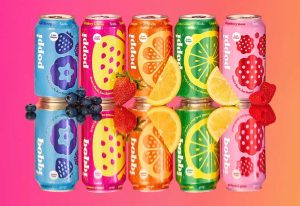
The product itself combines full-flavour fizz and bold fruit flavours with low sugar and added fibre, but Herbert says poppi’s ability to build a distinctive identity around it is just as important.
“poppi is revolutionising soda for the next generation by bringing together a great product and a distinctive brand,” she says.
“It’s colourful, optimistic and social by nature, giving people the freedom to love soda again.”
This positioning is central to poppi’s ambition to become what Herbert describes as the “number one modern soda brand”, and its partnership with Love Island offers a clear example of how it intends to get there.

Winning over the ‘girlypops’
At the heart of the strategy is a consumer group poppi has given its own name. “Our core audience is who we call our ‘girlypops’,” Herbert says. “They care about taste and aesthetics, but also see the brands they choose as part of their identity and everyday lives.”
It’s a revealing description of the consumer poppi is chasing. This is an audience for whom packaging, social currency and cultural relevance can matter alongside taste and functionality, and one that increasingly discovers brands through entertainment, creators and social media as much as through traditional advertising.
That made Love Island a particularly natural fit. “Love Island is one of the UK’s biggest Gen Z cultural moments, extending far beyond television into group chats, social feeds, memes, fashion and beauty,” Herbert says.
“Both are playful, expressive and built for sharing.”
For poppi, the appeal wasn’t just Love Island’s scale, but the chance to place the brand inside a conversation its target customers were already having.
“Rather than interrupting consumers with traditional marketing, the partnership allows us to join a conversation they are already excited about and become part of the wider fan experience in an authentic way.”
That’s also how poppi approaches partnerships more broadly.
“We look for partners that feel like a natural extension of poppi, rather than simply a media placement,” Herbert explains.
Audience overlap comes first, with the brand looking to show up around the interests its consumers already care about, including entertainment, fashion, music, beauty, sport and food.
But Herbert says cultural fit is equally important.
“The partner also needs to share our optimism, playfulness and cultural energy. Ultimately, the connection should feel credible, joyful and easy to understand.”
Participation is another key test. Rather than simply placing its logo next to a popular property, poppi wants consumers to interact with its partnerships and feel part of them.
“We’re particularly drawn to partnerships that invite participation, creating moments people want to experience, share and talk about together, because community is central to how poppi grows.”
That’s particularly important for a challenger brand trying to build familiarity in a category dominated by far larger names. poppi’s strategy is to create a recognisable consumer tribe around the brand, rather than relying on awareness alone.
Turning cultural relevance into growth
The commercial challenge, of course, is converting that cultural visibility into something more meaningful.
Love Island may be capable of creating overnight viral moments, but Herbert says poppi is focused on what happens after the initial attention.
“Love Island creates an incredible cultural moment, but our focus is on turning that attention into lasting relevance, trial and brand love,” she says.
That means extending the relationship far beyond its presence on the programme.
“We’re building on the partnership through social content, creator collaborations, earned media and wider brand activations, all working together rather than as separate initiatives.”
Real-world activity, including watch parties and community-led events, is designed to give consumers another way to experience the brand away from their screens.
The result is a marketing strategy that treats Love Island as a platform rather than an isolated sponsorship “We see Love Island as an integrated platform rather than a standalone sponsorship,” Herbert says.
“The partnership comes to life across social content, creators, PR, community events and broader brand storytelling, with each channel playing a distinct role.”
Importantly, poppi isn’t trying to reproduce the same execution across every one of those channels.
“Our approach is to create experiences that feel native to the platform, whether that’s the Villa, TikTok or a media story, rather than applying the same idea everywhere.”
That gives the brand freedom to change how it shows up while keeping the same overall personality.
“Across every touchpoint, the aim is to give people something they genuinely want to engage with, share and make their own,” Herbert adds.
For poppi, this is ultimately about moving consumers through the funnel. Using a major cultural moment to generate interest, translating that interest into product trial and then maintaining enough relevance to build loyalty over time.
Herbert says the partnership has already helped the brand reach new consumers, while reinforcing the playful positioning it wants to own.
“Love Island has helped us introduce poppi to new consumers while staying true to the playful, culture-first personality that defines the brand.”
Building a modern soda brand
The bigger question is whether that culture-first approach can help poppi carve out a meaningful position in the UK soft drinks market.
Its proposition deliberately combines product credentials with a lifestyle-led identity, and Herbert believes that combination can help it resonate with consumers who increasingly view the brands they buy as an extension of themselves.
“We’ve built the brand around the idea that soda can be joyful, modern and culturally relevant without taking itself too seriously,” she says.
Love Island’s audience, she argues, shares many of those characteristics. “They are socially connected, visually driven, trend-aware and highly engaged with culture.”
That deep alignment is what poppi believes allows the partnership to feel credible, rather than just bolted on.
“The energy of the show naturally complements poppi’s personality. Both create expressive, shareable moments that people want to talk about and be part of.”
The brand’s also treating its current activity as a source of insight for future growth, watching what resonates and applying those learnings to new campaigns, partnerships and markets as it expands internationally.
For a challenger taking on some of the most established names in grocery, the bet is that being culturally distinctive can translate into something much more tangible – awareness, trial, repeat purchase and, ultimately, a bigger share of the soft drinks fixture.
As Herbert puts it, poppi’s approach is about “creating experiences with consumers and giving them a meaningful role in the brand, rather than simply marketing to them”. The task now is turning that sense of belonging into sustained growth.
Click here to sign up to Retail Gazette‘s free daily email newsletter