For most festivalgoers, Tomorrowland is about the music, but for brands, it also poses as an opportunity to earn attention from more than 400,000 visitors at one of the world’s most visually creative festivals.
However, as festivals evolve it is becoming increasingly difficult for brands and retailers to stand out. Recent years have seen a shift from simply branded bars and product sampling, particularly among younger audiences who are seeking experiences they can actively take part in.
For Absolut Vodka, now entering its tenth year of partnership with Tomorrowland through its United We Dance platform, the answer has been to invest in art, community and long-term collaboration rather than one-off sponsorships.
This year, that strategy took shape through British-Nigerian artist Yinka Ilori’s immersive installation overlooking Tomorrowland’s Main Stage; however, beyond the colourful activation, sits more than a decade of partnership building and a shared belief that connection is key to a brand.
A ten-year partnership
Many festival sponsorships come and go after a few years. Absolut global marketing manager for experiences & partnerships Annika Skohg says the relationship between Absolut and Tomorrowland has endured because both organisations have continued challenging one another.
“First of all, it’s really due to the very genuine trust that we have for one another,” she says. “We’ve been able to build that over time.”
Rather than recreating the same experience every summer, both teams deliberately push themselves further.
“We always make sure that we share a lot of expertise from one another. We also share the ambition to keep evolving. We don’t want any year to look the same. We always want to make sure both of us are pushing ourselves to really create the best experiences for consumers.”

Skohg’s comments come amid changing expectations from what Absolut calls its “GenZenial” audience, Generation Z and younger Millennials, who increasingly expect brands to offer something memorable rather than simply being visible.
“They’re really craving newness,” Skohg says. “There’s a lot of the same kind of fatigue from a culture standpoint, so we were really excited to bring something fresh and unexpected.”
The result was bringing Absolut’s long artistic heritage into the festival space for the first time. Since Andy Warhol painted the iconic Absolut bottle in 1985, the brand has collaborated with more than 550 artists, including Keith Haring, Damien Hirst, Jean-Paul Gaultier and Anish Kapoor. While art has long been central to the brand’s identity, festivals had never formed part of that creative legacy.
“We’ve been partnering with artists for around 40 years,” Skohg explains. “It’s something we’ve always held really dear to our hearts, but we’d never had the chance to do it in this channel.”
But Skohg says choosing Yinka Ilori was much more than just seeking bright colours.
“From the first day I met Yinka, it felt right from the start,” she says.
“From the first chat we had with him, we realised that we shared the same DNA. His passion for creativity, his passion for storytelling, and most importantly, all of the work he has done is rooted in bringing people together.”
Developing the activation was also long process. Absolut first met Ilori around 14 months before this year’s festival, with initial renders completed early this year before designs were adapted specifically for Tomorrowland’s environment.
“It takes about 12 to 14 months for the whole project,” Skohg says. And planning starts even earlier for Tomorrowland’s limited-edition Absolut bottles: “We’ve already started next year’s bottle.”
The same long lead times apply across the festival itself. Tomorrowland’s creative department, now around 50 people strong, develops each annual theme under strict confidentiality well before it is revealed publicly, allowing partners such as Absolut to begin work more than a year in advance.
Putting people before promotion
While the installation provides the visual centrepiece, Absolut says its wider objective is to create experiences people genuinely value.
“We always try to have the people in the centre for everything that we do,” Skohg says.
That philosophy has shaped the United We Dance platform since 2021. Working with a diversity and inclusion committee established in 2022, Absolut and Tomorrowland introduce a new initiative each year based on festival and industry research.
The first focused on wellbeing, introducing dedicated care teams, including psychologists, to bridge the gap between medical services and emotional support.
Attention then turned to loneliness. “We’ve seen that loneliness has risen hugely globally since the pandemic,” Skohg says. “People are really craving genuine connections and brands and spaces that facilitate that.”
The response included communal dining experiences, conversation-led activities and an eight-part YouTube podcast featuring artists including Armin van Buuren discussing loneliness and human connection.
This year, the focus shifted again, this time towards solo travellers.
Recognising that many visitors struggle to secure tickets with friends, Absolut now brings together small groups before the festival begins, introducing them before guiding them around the site.
“We bring them around the festival, make sure they find those connections and have a good time for the rest of the weekend.”
Those introductions are designed to continue long after the festival finishes. “We brought them together before the festival so they could start the meetups without us. Our role has really been to facilitate those connections and then let them take them for themselves.”
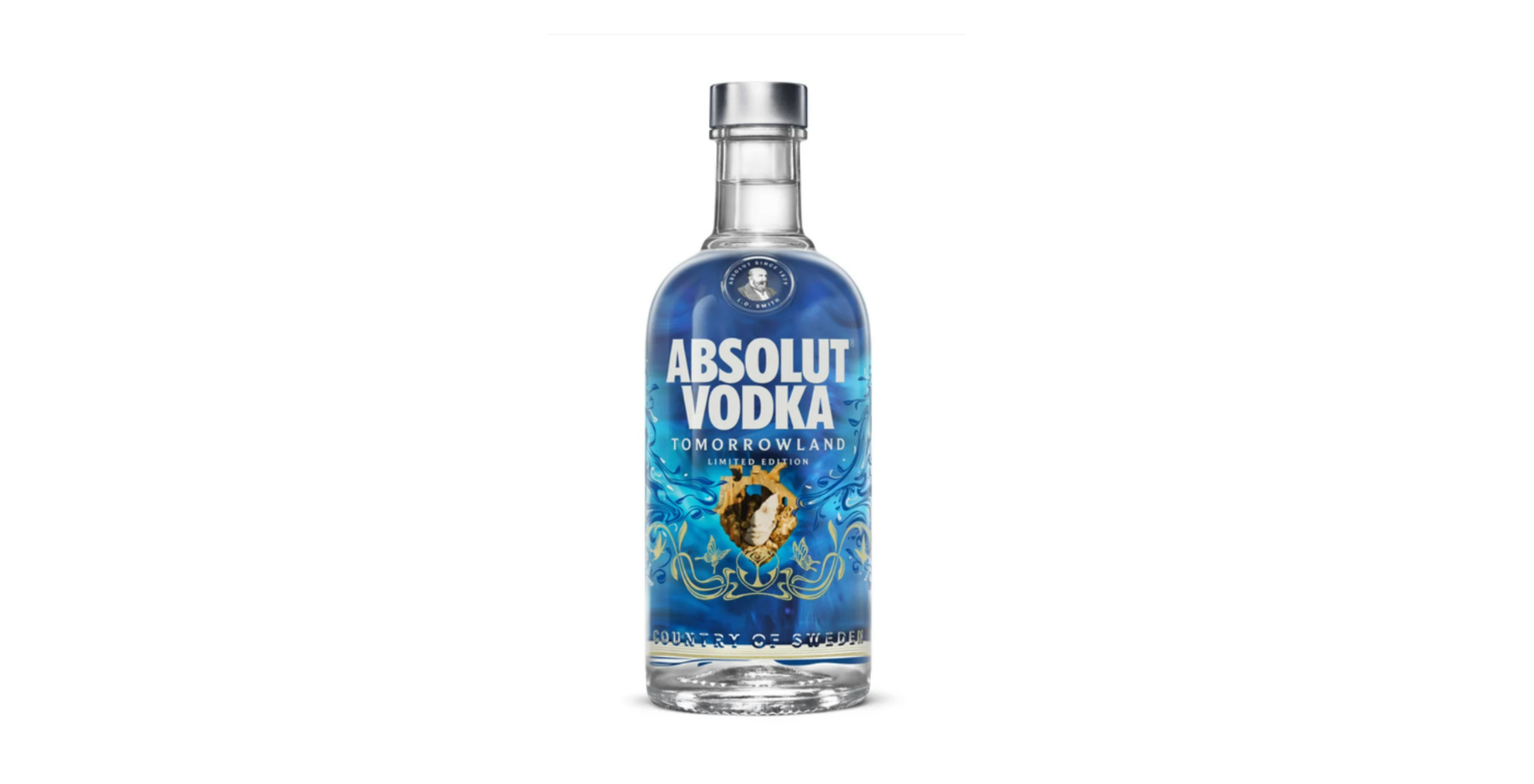
Some participants who first joined three years ago still travel together today. The approach also delivers commercial benefits. Tomorrowland’s limited-edition Absolut bottles allow fans unable to secure tickets to own “a little piece of that magic”, extending the festival experience beyond Belgium while helping drive retail sales.
But Skohg believes the strongest partnerships succeed because they go beyond commercial objectives.
“I think today’s consumers are expecting a lot from brands,” she says. “It has to be genuine. I think people see through it.”
As planning continues for Tomorrowland Thailand later this year and next summer’s Belgian festival, Absolut’s strategy appears firmly focused on long-term collaboration rather than short-term visibility.
“What can we, through partnership, bring to the table that we couldn’t bring on our own?” Skohg asks. For a brand whose relationship with artists stretches back four decades, this question, and the desire to create experiences people remember long after the music has stopped, remains crucial to the brand’s mission.